How to Choose Gym Equipment for Your Business in 2026?

Choosing Gym Equipment in 2026 requires more than comparing prices online. A treadmill may look efficient, yet it can consume valuable floor space and demand frequent servicing. Operators must match equipment to member goals, training volume, room dimensions, and budget. Fit matters. A premium machine is not automatically the right investment.

In a commercial gym, every purchase affects safety, workflow, energy use, and the member experience. For example, a 500-square-foot studio may benefit from adjustable benches, cable systems, and compact storage. It may not need three large cardio machines. Measure twice. Check doorway widths, ceiling height, electrical requirements, flooring, ventilation, and delivery access before signing an order. Reliable suppliers should provide warranty terms, spare-part support, installation guidance, and realistic maintenance schedules. Independent reviews and manufacturer documentation can strengthen the decision, but neither replaces an on-site assessment.

This guide focuses on practical criteria for selecting Gym Equipment that remains useful as the business grows. It considers durability, biomechanics, accessibility, technology, cleaning, and total cost of ownership. The cheapest quote can become expensive after repeated repairs or poor utilization. That said, projections are imperfect. Member preferences change, new technology dates quickly, and even experienced owners can misjudge demand. A sensible plan leaves room for testing, feedback, and revision. The goal is not to build the most impressive room. It is to create a safe, profitable, adaptable training environment.
How to Choose Gym Equipment for Your Business in 2026?

Define Your Gym’s Business Model and Member Needs

Choosing gym equipment in 2026 starts with your business model, not a glossy catalogue. A membership gym needs durable, versatile machines for repeated daily use. A personal training studio may need open floor space, adjustable tools, and quick equipment changes. A rehabilitation-focused facility requires controlled movement, clear instructions, and quieter stations. I have seen owners buy impressive machines that stayed unused. The mistake was not equipment quality. It was poor alignment.

Study who enters your facility during each time block. Office workers may want short, intense sessions before work. Older members may value stable support, low step-up heights, and readable displays. Beginners often need simple adjustments and visible coaching cues. Ask members about goals, injuries, preferred training times, and equipment they avoid. Then compare those answers with attendance records and trial-session feedback. Numbers can challenge assumptions. They can also be incomplete.

Create an equipment plan around capacity, maintenance, and staff expertise. Count how many people may train during peak hours, not average hours. Leave enough space for safe movement and instruction. Choose equipment your team can explain confidently. Request maintenance schedules, warranty terms, user-load guidance, and training documents from suppliers. Verify these details before signing. I would also test each machine with different body sizes. A comfortable fit for one member can feel awkward for another. My own planning has missed this detail before. It deserves a second look. Review usage after three months, and move or replace items that create queues.

Set Equipment Priorities Based on Space, Training Goals, and Usage

How to Choose Gym Equipment for Your Business in 2026?

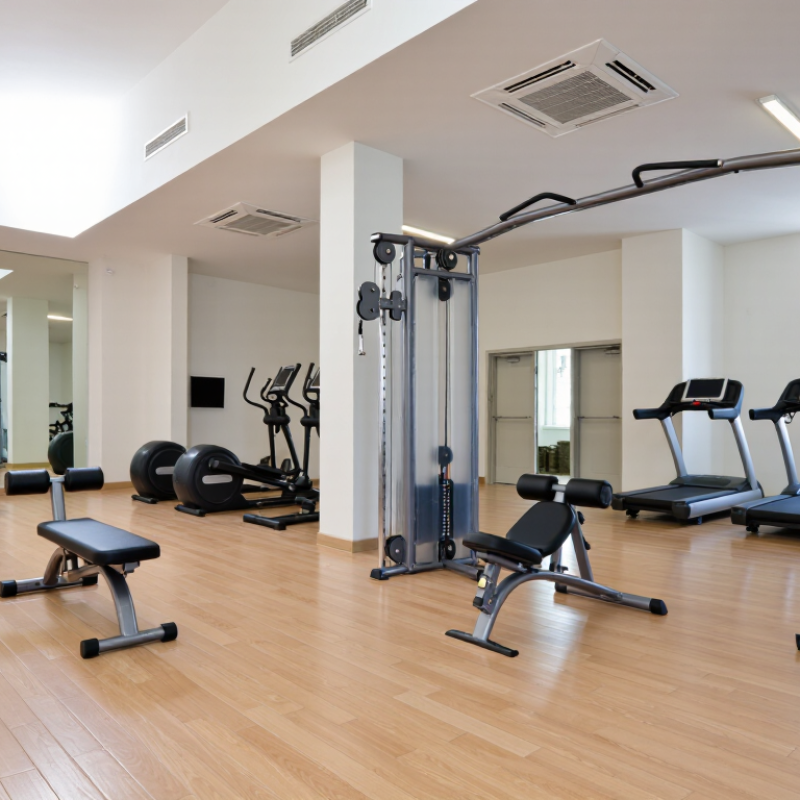
Equipment priorities should follow your floor plan, training goals, and expected usage. A small studio may need adjustable benches, cable stations, dumbbells, and storage before adding large machines. Leave clear walking paths around every station. Crowded floors create noise, queues, and avoidable maintenance problems.

The Health & Fitness Association reported 72.9 million Americans used a fitness facility in 2023, a 5.8% increase from 2022.

This growth suggests stronger demand, but demand is not identical in every neighborhood. Study trial visits, class bookings, member surveys, and peak-hour traffic before purchasing. ACSM’s Worldwide Survey of Fitness Trends 2025 ranked wearable technology and mobile exercise applications among the leading trends. That supports simple tracking-friendly equipment, but screens should not replace durable strength tools.

I once planned too many specialty stations and underestimated storage. That was expensive. Recheck your assumptions.

Tips:

Mark equipment footprints with tape for one week. Count queues at 6–8 p.m. Choose versatile units when space is limited. Keep heavy-use items near power and ventilation points. Review manufacturer maintenance requirements, warranty terms, and replacement-part access. A 2024 industry report from the Global Wellness Institute valued the global physical activity economy at $1.1 trillion in 2023, yet broad market growth cannot justify every purchase. Test the workflow with real users first. Metrics help, but people still surprise you.

Compare Equipment Types, Features, Safety, and Durability

How to Choose Gym Equipment for Your Business in 2026?

Choosing commercial gym equipment requires more than counting machines. Compare cardio, strength, functional, and recovery equipment by use, space, and member demand. Treadmills need stable decks, clear displays, emergency stops, and quiet motors. Rowers and bikes should offer adjustable resistance and comfortable contact points. For strength areas, cable systems save space, while racks support varied training. Free weights provide flexibility, but they need stronger flooring and careful storage.

Safety must be tested in real conditions. Walk around each machine and check pinch points, unstable frames, exposed cables, and confusing controls. Ask suppliers for load ratings, maintenance schedules, warranty terms, and service response times.

A durable frame is helpful, but moving parts often fail first. Inspect bearings, upholstery seams, adjustment pins, and welds. Equipment that feels impressive during a demonstration may perform differently after hundreds of daily users. Easy cleaning is not a minor feature; sweat collects in seams quickly.

Tips: Let staff test every adjustment while wearing training shoes. Measure doorways before ordering large units. Leave clear walking paths around racks and cardio machines. Choose replaceable pads and standard fasteners when possible. Record inspection dates and unusual noises. A cheaper machine can become expensive when downtime frustrates members. Still, overbuilding every area may waste money and valuable floor space. Recheck your assumptions after three months of usage.

Plan the Budget, Installation, Maintenance, and Future Expansion

Choosing gym equipment in 2026 requires more than comparing prices.

Your budget must cover delivery, flooring, electrical work, installation, staff training, and future repairs. I have seen businesses spend heavily on machines, then struggle with basic setup costs. Leave a realistic reserve of 10–15% for unexpected work. Measure doorways, ceiling height, ventilation, and floor strength before ordering. A beautiful machine is useless if it cannot enter the building.

Tips:

Create a three-year equipment budget. Separate essential machines from attractive extras. Request written installation requirements and warranty terms. Confirm who handles assembly, testing, and staff instruction. Keep equipment spacing generous, especially around moving parts. Crowded layouts reduce safety and make cleaning difficult.

Maintenance should begin on opening day.

Record operating hours, inspections, repairs, and unusual sounds. Assign daily cleaning and weekly checks to specific employees. Schedule professional servicing before heavy-use periods, not after a breakdown. Replacement parts may take weeks to arrive, so identify compatible alternatives early. I would also review usage data every quarter. Underused equipment can reveal poor placement or weak member demand. My own planning mistake was treating expansion as a distant concern. It changed the layout later. Reserve clear utility access and flexible floor space for future additions. Technology may evolve quickly, but accessible storage and sensible circulation remain valuable.

Evaluate Suppliers, Test Products, and Build the Final Equipment List

Choosing gym equipment for your business in 2026 starts with the supplier, not the catalogue. Ask for test units, warranty terms, spare-part availability, and documented safety testing. Request references from facilities with similar traffic. A busy studio needs different frames than a private training room. I would inspect welds, cable movement, grip texture, and adjustment points in person. Product photos hide awkward handles and noisy rollers.

Test each machine through a realistic week, not a ten-minute demonstration. Let different users adjust it, including beginners and taller members. Record setup time, cleaning effort, noise, stability, and repair response. Measure floor space with doors and walkways included. One mistake I have seen is choosing impressive equipment that blocks circulation. It looks efficient on paper, but staff then move it every morning. Ask suppliers for load ratings, maintenance schedules, training materials, and replacement timelines. Keep every answer in writing.

Tips: Build a scoring sheet before testing. Give each item weighted scores for safety, comfort, durability, service, and cost. Leave room for comments; numbers cannot explain a pinching adjustment or confusing display. Compare total ownership cost, not only purchase price. A cheaper unit may demand frequent servicing. Recheck your list after a trial period. Some choices feel wrong only after real members use them.

Article Source: