Top 10 Milk Powder Film Suppliers for Global Buyers?
In the global dairy market, the demand for high-quality packaging is surging. Among these products, Milk Powder Film plays a crucial role in ensuring freshness and prolonging shelf life. This film not only preserves the quality of milk powder but also provides essential barriers against moisture and contaminants.
Around the world, suppliers of Milk Powder Film vary significantly in terms of technology and efficiency. Some may offer innovative solutions, while others struggle with production consistency. Identifying reliable suppliers is essential for businesses aiming to maintain product integrity and meet consumer expectations.
In this guide, we explore the top ten Milk Powder Film suppliers recognized for their expertise and dependability. Each company has unique strengths, yet they all share a commitment to quality. A careful selection process is vital for making informed decisions. This industry is dynamic, and ongoing evaluation is key for continual improvement.
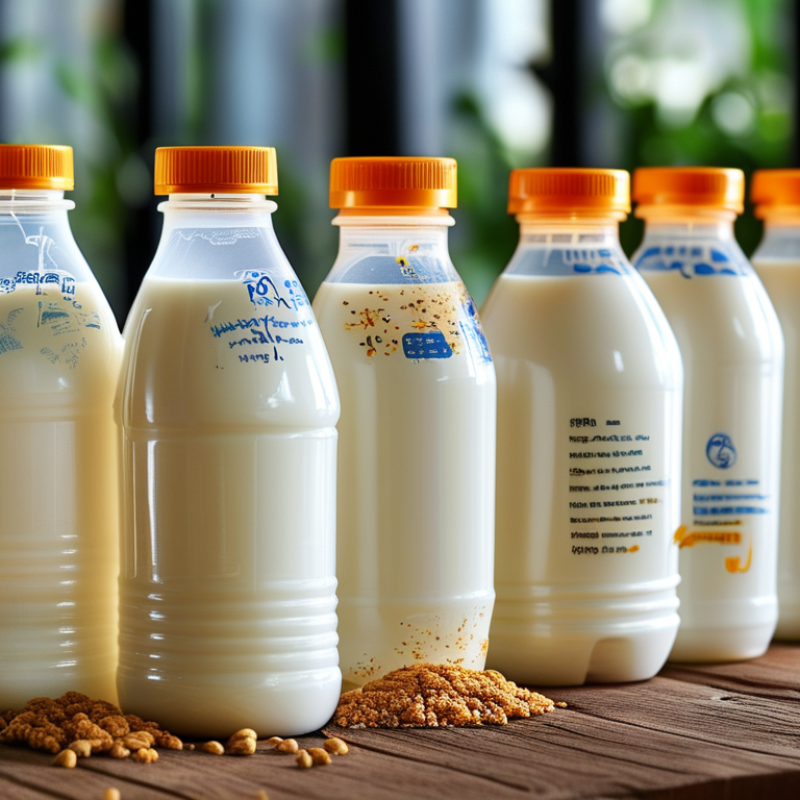
Overview of the Global Milk Powder Film Industry
The global milk powder film industry has seen significant growth in recent years. According to industry reports, the market is projected to reach approximately $1.5 billion by 2025, reflecting a compound annual growth rate (CAGR) of about 6% from 2020. This growth is driven by rising demand for milk powder packaging solutions. Key applications include dairy processing and infant formula production.
Packaging plays a critical role in preserving the quality and safety of milk powder. Modern films must offer excellent barrier properties to extend shelf life. Many suppliers focus on developing eco-friendly materials to align with increasing sustainability concerns among consumers. This shift toward green packaging is a notable trend in the industry.
Tips: When selecting a milk powder film supplier, consider their innovation in sustainable materials. Quality certifications are also essential. Engaging with reliable suppliers ensures product safety. Consider the potential trade-offs between cost and quality. While lower-priced options may exist, they may not always meet industry standards, which could affect product integrity.
Key Factors Influencing Milk Powder Film Suppliers Selection
Selecting the right milk powder film supplier involves several factors. Buyers should prioritize quality and reliability. High-quality materials ensure better product integrity. Suppliers should provide certifications to show compliance with industry standards. A transparent supply chain is essential. It builds trust and ensures customers know where their products come from.
**Tips:** Always request samples before committing to a supplier. This can help assess the quality firsthand. Consider the supplier's production capacity, too. Ensure they can meet your business needs, especially during peak seasons.
Pricing is another crucial factor. It should align with your budget while still ensuring quality. Compare different suppliers but avoid compromising on essential standards. Delivery timelines can impact your operations. Confirm that the supplier is able to deliver within the required timeframe. Communication is key. Open lines can solve potential issues quickly.
**Tips:** Maintain an open dialogue with potential suppliers. Understanding their processes can reveal their commitment to quality. Consider the supplier’s customer service approach as well. A supportive partner can make a difference in your operations.
Top 10 Milk Powder Film Suppliers - Key Factors
Criteria for Evaluating Milk Powder Film Suppliers
When evaluating milk powder film suppliers, several key criteria should be considered. Quality assurance is paramount. Reliable suppliers should demonstrate compliance with international standards. Certifications guarantee that the product meets safety and quality specifications. It is necessary to assess their track record in providing consistent quality. A history of successful partnerships can indicate reliability.
Cost-effectiveness is another important factor. While lower prices may seem attractive, they can sometimes compromise quality. Buyers need to understand the balance between cost and quality. Engaging in discussions with potential suppliers can reveal insights into their pricing strategies.
Finally, customer support plays a crucial role. Suppliers should be responsive and proactive. Timely communication can prevent issues from escalating. Additionally, detailed information about products should be readily available. Collaborating with suppliers who prioritize transparency and accountability helps build trust in the relationship.
Top 10 Milk Powder Film Suppliers for Global Buyers
| Supplier Rank | Country | Production Capacity (Metric Tons) | Years in Operation | Certification | Customer Rating |
| 1 | USA | 5000 | 20 | ISO 9001 | 4.8 |
| 2 | Germany | 4500 | 15 | FSSC 22000 | 4.7 |
| 3 | Australia | 6000 | 25 | HACCP | 4.6 |
| 4 | New Zealand | 7000 | 30 | ISO 22000 | 4.9 |
| 5 | Denmark | 8000 | 22 | BRC | 4.5 |
| 6 | France | 5500 | 18 | ISO 9001, HACCP | 4.4 |
| 7 | Italy | 4200 | 12 | FSSC 22000 | 4.3 |
| 8 | Netherlands | 6900 | 28 | ISO 22000 | 4.6 |
| 9 | Spain | 3600 | 10 | BRC | 4.2 |
| 10 | Switzerland | 3200 | 14 | ISO 9001 | 4.1 |
Top 10 Milk Powder Film Suppliers: A Comparative Analysis
When considering milk powder film suppliers, understanding market dynamics is crucial. The milk powder film industry has shown a steady growth rate of around 5% annually, according to industry reports. This growth is fueled by the increasing demand for dairy products worldwide. Advanced packaging solutions are more important than ever. Suppliers must focus on innovative technologies to enhance product safety and shelf life.
While many suppliers offer competitive prices, quality cannot be compromised. In a recent survey, approximately 70% of buyers stated that packaging integrity significantly impacts their purchasing decisions. This highlights the need for reliable suppliers who maintain high quality standards. A focus group also indicated a preference for suppliers who provide transparent sourcing and production processes.
Tips:
When choosing a supplier, prioritize those with established reputations. A supplier’s experience in the industry often correlates with reliability. Regular audits of packaging materials can also help ensure compliance with safety regulations. Balancing cost and quality is essential; opting for the cheapest option might lead to regret later. Always conduct thorough research before finalizing partnerships.
Future Trends in Milk Powder Film Supply Chain Management
In today's milk powder film supply chain, trends are rapidly evolving. Sustainability is becoming more critical as suppliers seek eco-friendly materials. This shift requires innovative approaches in packaging to minimize waste. Some companies are investing in biodegradable films that appeal to environmentally conscious consumers.
Technological advancements are influencing supply chain efficiency. Automation in production lines increases speed and reduces human error. However, this raises questions about the impact on jobs in the industry. Companies need a balance between technology and workforce welfare.
Globalization continues to affect supply chains. Suppliers must understand local regulations and consumer preferences. This requires continuous market research and adaptation. Communication between suppliers and manufacturers is essential for success. Failing to adapt can lead to inefficiencies, wasted resources, and a disconnect with customers.