Choosing the right Led Display Module can shape your project’s visibility, reliability, and long-term operating cost. It is more than selecting a bright screen. Pixel pitch, viewing distance, refresh rate, cabinet design, and environmental protection must work together.
A useful perspective comes from Dr. Shuji Nakamura, a Nobel Prize-winning LED researcher. He once said, “I wanted to make a blue LED because I thought it was impossible.” His experience shows how progress often begins with a difficult technical problem. Modern Led Display Module systems reflect that progress through finer pixels, improved brightness control, and more efficient power management. For example, a 2.5-millimeter pitch module can create sharp indoor signage, while a larger pitch may suit outdoor façades viewed from several meters away.
The project conditions matter most. Measure the audience distance. Check sunlight exposure. Confirm the required refresh rate for cameras and live broadcasts. An IP65-rated module can better withstand dust and rain, but installation quality still matters. Poor ventilation may shorten component life. Weak calibration may create visible color differences between cabinets.
No module is perfect.
Cost is also easy to misunderstand. A cheaper purchase price may bring higher maintenance, uneven brightness, or difficult replacement work. Experienced suppliers should provide test reports, warranty terms, spare-part guidance, and realistic energy data. Still, specifications cannot replace field testing. A sample may perform differently in your actual venue.
This article examines why a Led Display Module may suit your project, where it performs well, and which assumptions deserve another look.
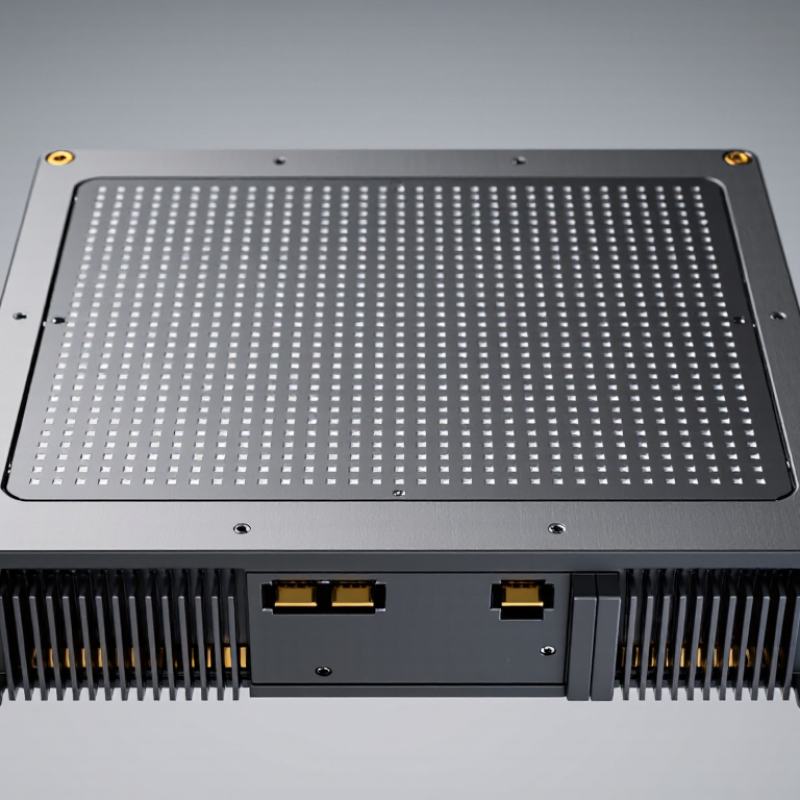
An LED display module is a replaceable building block inside an electronic screen. It usually contains LED pixels, a circuit board, driver chips, connectors, and a protective frame. Several modules connect to form a larger display. Each pixel combines red, green, and blue light to create images, text, and video. Pixel pitch describes the distance between neighboring pixels. A smaller pitch usually produces sharper images at close viewing distances.
The module does more than display light. It receives data, controls brightness, and helps maintain consistent color across the screen. During installation, technicians connect power and signal cables between modules and test every section. A loose connector can create dark lines or flickering areas. I have seen a bright screen perform poorly because its ventilation was ignored. Heat slowly affects reliability, even when the first test looks perfect.
For outdoor projects, check weather protection, operating temperature, and drainage design. Indoor modules may need less protection but often require better close-range image quality. Service access also matters. A replaceable module can reduce repair time, but only when the structure allows safe removal. No module fits every project. Viewing distance, screen size, brightness, refresh rate, and maintenance conditions must work together. That part is easy to underestimate.
How LED Display Modules Work
An LED display module is a small visual engine, not merely a panel of lamps. It combines LED pixels, driver integrated circuits, a circuit board, and connectors. Each pixel usually contains red, green, and blue subpixels. By adjusting their current, the module creates different colors and brightness levels.
A control system sends image data to receiving cards. Driver chips then distribute that data across pixel rows and columns. Pulse-width modulation controls how long each LED remains active during a refresh cycle. Longer pulses produce brighter pixels. High refresh rates reduce visible flicker and camera scanning lines. This matters in retail screens, control rooms, and filmed events.
The process is fast, but not flawless. A loose connector can create dark lines. Uneven calibration can produce patches across a bright image. Module selection should consider pixel pitch, viewing distance, brightness, refresh rate, and environmental sealing. IEC 62717 provides performance requirements for LED modules, while the U.S. Department of Energy reports that LED lighting can use at least 75% less energy than incandescent lighting and last up to 25 times longer. That comparison is not a direct display measurement, but it shows why solid-state lighting remains attractive. In practice, thermal design still deserves attention. High brightness generates heat, and heat can shorten component life. A lower brightness setting may deliver a more stable image.
Why Choose LED Display Module for Your Project?
LED display modules combine bright visual output with flexible installation options. Each module contains light-emitting diodes, a circuit board, and supporting components. This structure allows technicians to replace damaged sections without removing the entire display. That can reduce downtime during events, retail campaigns, and control-room operations.
Brightness is a key feature. Indoor modules need controlled luminance, while outdoor modules require stronger output under direct sunlight. A suitable refresh rate helps cameras capture cleaner images. Pixel pitch affects viewing distance and image detail. Smaller pitch usually suits close viewing, but it may increase project cost. Wide viewing angles also matter when audiences stand in different positions. They should not be overlooked.
Durability depends on more than a sealed enclosure. Check the module’s ingress protection rating, heat management, power stability, and operating temperature. Accurate calibration keeps colors consistent across adjacent modules. In field installations, I have seen uneven brightness caused by poor calibration rather than defective LEDs. A common mistake.
Maintenance access deserves equal attention. Front-service modules can simplify repairs in narrow spaces. Rear access may be cheaper, but it needs extra clearance. Before selection, test the module with the intended controller and power supply. Specifications can appear impressive on paper, yet real performance may change after long operation. Leave room for honest testing.
Why Choose LED Display Module for Your Project?
Benefits of Choosing LED Display Modules
LED display modules offer bright, readable visuals in busy environments. Their modular structure also simplifies maintenance. Technicians can replace one damaged section instead of removing an entire screen. This reduces downtime in retail stores, transport halls, stadiums, and control rooms. The U.S. Department of Energy reports that LED technology can use at least 75% less energy than incandescent lighting and last up to 25 times longer. Display systems are more complex, but the efficiency advantage remains valuable.
Visibility matters. High brightness supports clear messages under direct sunlight, while fine pixel pitches improve close viewing. MarketsandMarkets’ 2024 LED display report projects continued market growth through 2028, driven by digital signage, public information systems, and immersive venues. That growth suggests strong adoption, not automatic success. Poor thermal design, incorrect brightness, or weak content planning can still waste money. I have seen screens look impressive in a showroom but feel harsh outdoors. The specification was correct; the application was not.
Tips: Measure viewing distance first. Choose pixel pitch accordingly. Check airflow and service access before installation. Keep brightness adjustable. It is not magic. Also request measured power data, not only marketing estimates. A slightly higher initial cost may support better reliability, but every project should verify this through lifecycle calculations. According to the International Energy Agency, efficient lighting depends on proper controls and usage patterns, a reminder that hardware alone cannot deliver every expected saving.
| Evaluation Dimension | LED Display Module | Project Benefit | Important Consideration |
|---|---|---|---|
| Display Technology | Self-emissive LED pixels produce their own light. | Delivers bright, high-impact visuals without a separate backlight or projector. | Pixel pitch should be selected according to viewing distance and content detail. |
| Modular Construction | Panels or cabinets can be assembled into different screen sizes and aspect ratios. | Supports customized layouts for indoor, outdoor, curved, or irregular installations. | The supporting structure must be designed for the selected module dimensions and weight. |
| Brightness | Brightness can be adjusted for indoor environments, daylight, and nighttime operation. | Improves visibility in locations affected by ambient light. | Outdoor systems require suitable weather protection and automatic brightness control. |
| Viewing Angle | Wide viewing angles are available, depending on LED type and module design. | Helps audiences view content from multiple positions. | Actual performance should be confirmed from the module’s technical specifications. |
| Serviceability | Individual modules, power supplies, and receiving components can often be replaced separately. | Reduces downtime and can simplify maintenance compared with replacing an entire display. | Maintenance access should be planned as part of the installation design. |
| Content Flexibility | Supports video, graphics, text, animations, live feeds, and scheduled content. | Allows one display to serve advertising, information, entertainment, or operational needs. | A compatible controller and content-management workflow are required. |
| Scalability | Additional modules can be combined to create larger display surfaces. | Makes the solution suitable for projects with changing size or coverage requirements. | The control system, power distribution, and structure must support future expansion. |
| Reliability and Service Life | Quality LED displays are commonly designed for long operating life; many specifications cite approximately 50,000–100,000 hours under stated conditions. | Can support continuous-use applications when properly installed and maintained. | Service life varies with operating temperature, brightness, ventilation, moisture, and duty cycle. |
| Energy Management | Power consumption changes with brightness, content, pixel pitch, and screen size. | Brightness scheduling and content-based control can help reduce operating energy. | Total energy use should be calculated from the module’s maximum and typical power ratings. |
| Environmental Suitability | Indoor and outdoor module designs are available with different protection ratings. | Enables deployment in retail spaces, transportation areas, venues, control rooms, and outdoor signage. | Outdoor projects need appropriate ingress protection, temperature limits, grounding, and structural safety. |
| Best-Fit Applications | Digital signage, event backdrops, sports venues, retail displays, public information screens, and control-room visualization. | Provides a flexible platform for high-visibility and frequently updated content. | Project requirements should be reviewed before choosing pixel pitch, brightness, refresh rate, protection rating, and installation method. |
Why Choose LED Display Module for Your Project?
How to Select the Right LED Display Module
Choosing an LED display module starts with the viewing environment, not the product brochure. Measure the distance between viewers and the screen. A smaller pixel pitch suits close viewing, while a wider pitch can reduce project costs from farther away. Check brightness carefully. Indoor spaces may need 800–1,500 nits, while outdoor screens often require much higher output and automatic brightness control.
Inspect the module’s resolution, refresh rate, color consistency, and power consumption. A high refresh rate helps reduce camera flicker during events or livestreams. For outdoor installations, review the IP rating, operating temperature, drainage design, and protection against dust and rain. Module size also matters. Standard dimensions can simplify replacement and reduce visible seams. Confirm that the module works with the planned controller, power supply, and cabinet structure.
Test before ordering in volume. Place a sample at the intended distance and view it in daylight, shade, and darkness. Check whether skin tones look natural and whether text remains sharp. Ask for measured data, warranty terms, maintenance guidance, and relevant safety certifications. A bright screen is not always a better screen. Excessive brightness can cause glare and waste energy. I would not pretend every specification is easy to compare. Some suppliers present impressive numbers without explaining test conditions. Look for clear evidence, stable performance, and practical support rather than attractive figures alone.